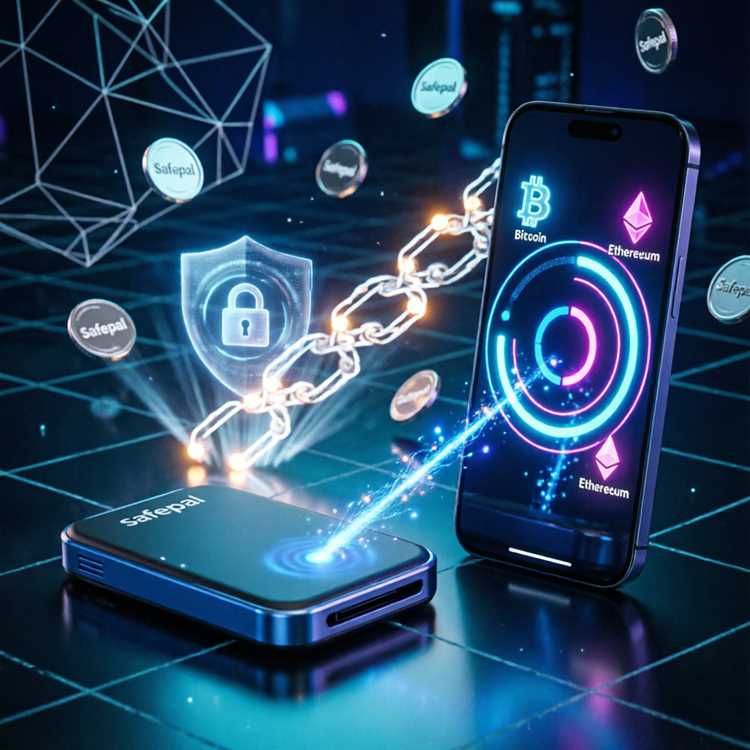
Why Pairing Your Cold Storage Wallet with a Mobile App Matters
Connecting a hardware wallet to a phone app changes how you manage crypto. It brings offline safety into daily use. Many users ask if this setup keeps coins safe. The answer lies in how the Connect Safepal Hardware Wallet to App: Secure Cold Storage Setup process works. Using a mobile interface gives you easy access. It does not expose your private keys. This balance of security and convenience is key.
Cold storage wallets are for long term holding. But you need to check balances or send funds sometimes. Pairing with an app solves this. You get a view of your portfolio. You also sign transactions on the device itself. No private key ever touches the phone. This method keeps your assets safe from online threats.
What Makes This Connection Different From Hot Wallets
Hot wallets stay online all the time. They are easy to use but less secure. A hardware wallet keeps keys offline. The app only acts as a screen. Your seed phrase never goes to the phone. This is the core of safe crypto management. Using a Safepal mobile app with the device adds a layer of protection. It feels like a hot wallet but stays cold.
Understanding the Hardware Wallet Setup Process
Setting up a hardware wallet for the first time can feel complex. But the steps are simple. You unpack the device. Then you charge it. After that, you generate a seed phrase. This phrase is your backup. Never type it on a computer or phone. Write it down on paper. Store that paper in a safe place. This is the foundation of your cold storage wallet.
The device comes with a screen. You use buttons to confirm actions. This makes the hardware wallet setup verifiable. You see every address on the screen. No hacker can change what you see. This is called a "trusted display." It stops phishing attacks. Many users skip this step, but it is vital.
Initial Power On and Seed Generation
Press the power button to start. The device asks you to choose a language. Pick your preference. Then it creates a new wallet. It generates 12 or 24 words. Write them exactly as shown. Double check the spelling. If you lose the device, these words restore everything. This is why Safepal wallet recovery depends on correct seed storage.
Installing the Companion App on Your Phone
Go to your app store. Search for the official app. Look for the correct icon. Download and install it. Open the app and agree to terms. It scans for nearby devices. Make sure Bluetooth is on. The app is a viewer. It does not hold keys. Use the cold storage features to keep your funds offline. The pairing takes less than a minute.
The Bluetooth Connection Method Explained
Many hardware wallets use a cable. The Safepal S1 uses a different method. It uses a QR code system. This is called an air gap. But some models offer Bluetooth connection. This is faster for daily use. You pair the device with the app once. After that, they connect automatically. The link uses encryption. No one can intercept the data.
Bluetooth has a short range. This adds physical security. Someone must be very close to attack it. The device only signs transactions you approve. The app sends the transaction to the device. You check the details on the screen. If it looks wrong, reject it. This process is part of the Safepal S1 integration with mobile.
Pairing Steps for First Time Users
- Open the app and select "Add Device."
- Choose your hardware wallet model from the list.
- Turn on Bluetooth on your phone.
- Hold the device close to the phone.
- Confirm the pairing code on both screens.
- Wait for the confirmation message.
Troubleshooting Common Connection Issues
Sometimes the app does not find the device. Move them closer together. Turn Bluetooth off and on again. Restart both devices. Update the app for better performance. Check that no other app uses Bluetooth first. If the problem continues, contact live chat for help.
Using an Air Gapped Wallet for Maximum Security
An air gap means no electronic connection. Data moves through a camera. The device shows a QR code. The app scans that code. This is the most secure method. No cable or radio signal can be hacked. Using an air-gapped wallet stops remote attacks. It is ideal for large holdings. The process is slower but very safe.
Cold storage wallets that use air gaps are rare. The safepal wallet supports both methods. You choose based on your risk level. For daily use, Bluetooth is fine. For long term storage, use the air gap. You can switch between modes anytime. This flexibility is a key feature.
How QR Code Signing Works in Practice
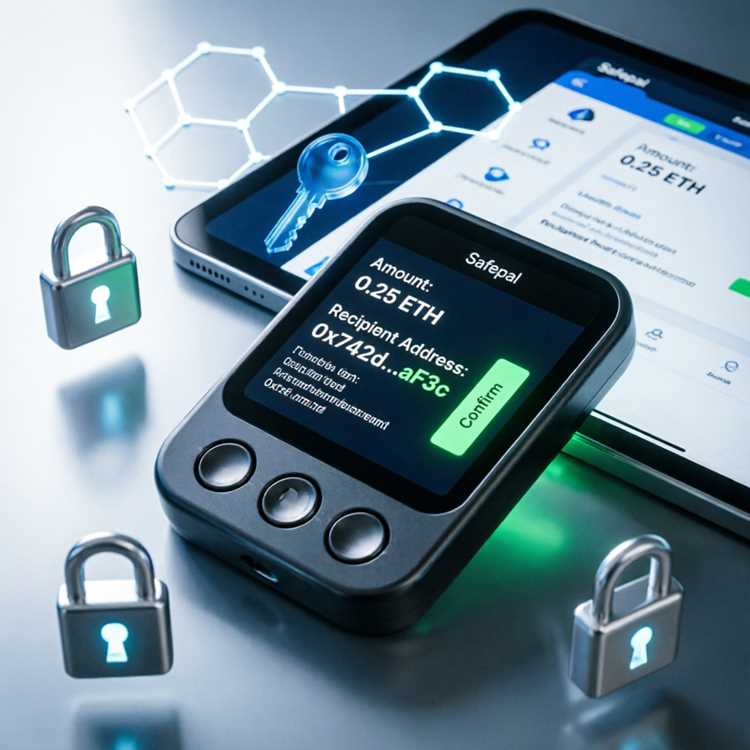
The app creates an unsigned transaction. It shows a QR code on screen. The device scans that code. It shows the transaction details. You press confirm. The device creates a signed QR code. The app scans it again. The signed transaction goes to the network. No wires touch the device. This platform keeps keys isolated.
Comparing Air Gap to Bluetooth Methods
| Feature | Air Gap | Bluetooth |
|---|---|---|
| Connection type | QR code scan | Wireless radio |
| Attack surface | Zero | Very low |
| Transaction speed | Slower | Fast |
| Best use case | Large cold storage | Daily transactions |
| Battery impact | Very low | Moderate |
Managing Multiple Assets on a Single Device
A hardware wallet can hold many coins. Bitcoin, Ethereum, and tokens all fit. The app shows them in one list. You do not need separate wallets for each coin. This simplifies portfolio tracking. The device stores keys for all supported blockchains. Adding a new token is easy. The cold storage wallet keeps them offline.
Supported coins include major networks. Check the official list for updates. Some coins need a separate app within the device. You install them through the companion app. This does not affect security. Each coin has its own private key. They are all derived from the same seed phrase. This makes backup simple.
Adding Supported Blockchains
- Open the app and go to "Assets."
- Tap "Add Coins" or "Add Tokens."
- Search for the blockchain name.
- Select the one you want to manage.
- Confirm the addition on the device.
- The coin appears in your portfolio.
Understanding Token Support Limits
Most hardware wallets support thousands of tokens. But not every new meme coin is listed. The development team adds support over time. You can store any ERC20 token on an Ethereum account. Same for BEP20 on Binance Smart Chain. The device does not need special updates for these. Use yield farming features directly from the app. The device signs the interactions.
Essential Accessories for Your Setup
Buying a hardware wallet is the first step. Some accessories make it better. A protective case stops damage. A USB cable is needed for charging. A metal seed plate protects against fire. These are not required but add safety. Below is a table with common items and their uses.
| Accessory | Approx Price | Compatibility | Use Case |
|---|---|---|---|
| Silicone case | $10 - $15 | Safepal S1 | Protects against drops |
| Micro USB cable | $5 - $10 | All models | Charging and data |
| Steel seed backup | $20 - $50 | Universal | Fireproof storage |
| Screen protector | $5 - $8 | Safepal S1 | Prevents scratches |
| Carrying pouch | $12 - $20 | All models | Travel protection |
Why a Metal Seed Backup Matters for Long Term Safety
Paper can burn or get wet. A metal plate survives disasters. Stamp your seed words into the metal. Store it in a separate location. This protects against fire and flood. It is one of the best investments for secure offline storage. The cost is low compared to losing funds.
Choosing the Right Case for Travel
Hardware wallets are small. A case keeps it from getting lost. Look for one with a belt clip. Some cases have a spot for the USB cable. Others have room for seed backup notes. Pick one that fits your daily routine. It should be rugged but slim.
Verifying Addresses Before Sending Funds
Always check the address on the device screen. The app might show a fake address if your phone has malware. The hardware wallet screen cannot be fooled. Compare the first and last few characters. This takes five seconds. It stops most theft attempts. This is why hardware wallet setup includes screen verification.
Many users skip this step because it is slow. But it is the most important habit to build. Scammers create fake apps that look real. They change the receive address. You send to them by mistake. The device screen shows the real address. Trust the device, not the app. This rule keeps your coins safe.
Step by Step Address Confirmation
- Generate a receive address in the app.
- Look at the address shown on the device screen.
- Match the first 6 and last 4 characters.
- If they match, it is safe to use.
- If they differ, do not send funds.
- Check for malware on your phone.
Data Protection and Privacy Considerations
Hardware wallets do not collect personal data. The app asks for minimal information. Your transactions are on the public blockchain. But your identity is not linked to the device. Using a new address for each transaction helps privacy. The app does not have a KYC process for basic use. This aligns with strong data protection standards.
Some users worry about Bluetooth tracking. The device does not broadcast its location. It only responds when the app asks for it. The connection is encrypted end to end. No third party sees your balance or transactions. This keeps your financial activity private. Using a VPN on your phone adds another layer.
How to Reset Privacy Settings on the Device
Go to settings on the device. Look for "Privacy" or "Security." You can disable analytics sharing. Some firmware versions let you clear pairing history. This removes device info from the app. Doing this once a month is good practice. It reduces digital footprint.
Backup and Recovery Best Practices
Your seed phrase is the most important thing. Without it, the device is useless. Write it on paper. Store it in a safe. Do not take a photo of it. Do not type it into any website. If you lose the device, buy a new one. Use the seed phrase to restore your wallet. This process is called Safepal wallet recovery. It works on any compatible device.
Test your backup before you need it. Erase the device. Then restore from the seed. If it works, you are safe. If it fails, something is wrong. Do this when you first set up the wallet. It takes ten minutes. It saves a lot of stress later. Practice makes recovery second nature.
Creating a Redundant Backup System
- Two paper copies stored in different locations.
- One metal plate stored in a bank safe deposit box.
- One copy encrypted and stored in a password manager.
- Never use a digital photo or screenshot.
- Verify backups every six months.
Frequently Asked Questions About Hardware Wallet Connection
Can I use the wallet without a phone?
Yes, the device works standalone. You can send and receive coins using only the screen. The app makes it easier but is not required.
What happens if my phone breaks?
Your coins are safe. The keys are on the device. Buy a new phone and install the app. Pair again with the hardware wallet.
Does Bluetooth drain the wallet battery?
Bluetooth uses little power. The device lasts weeks on a single charge. Turn it off when not in use to save battery.
Can I use the same seed on multiple devices?
Yes, you can restore the same wallet on several devices. This creates backups. Only use one device for signing at a time to avoid confusion.
Is the air gap method better for privacy?
Yes, it leaves no electronic trace. No Wi Fi or Bluetooth signal leaves the device. It is the most private way to connect.
How do I update the device firmware?
Use the app to check for updates. Download the new version. Connect the device and apply the update. This fixes bugs and adds new features. Always verify the update file on the device screen.