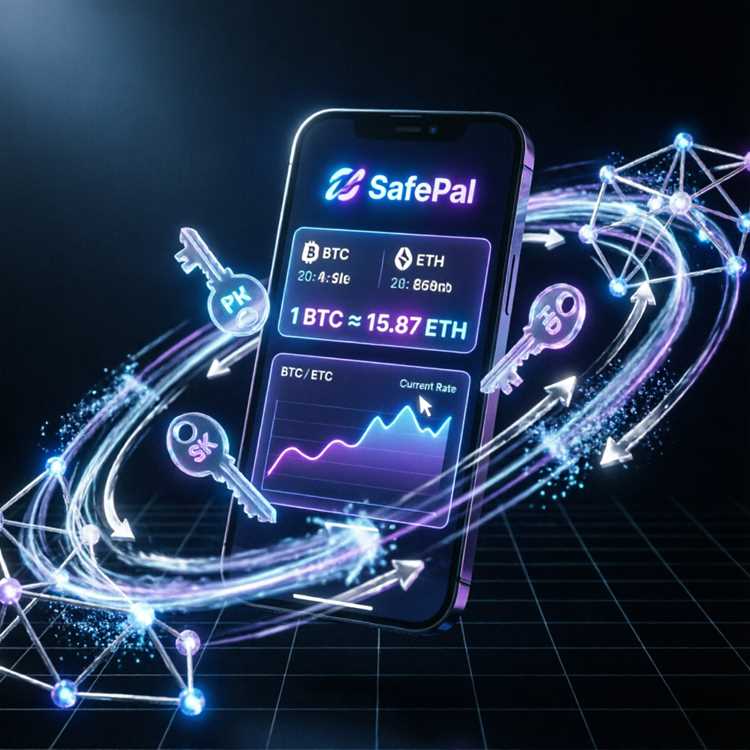
Swap Crypto in Safepal App: In-App Exchange Guide
Swap Crypto in Safepal App gives you direct control over your digital assets. You do not need to move funds to a separate exchange. This guide covers the built-in swap feature inside your mobile wallet. You will learn how to trade tokens, find the best rates, and avoid common mistakes. Using a self-custody wallet keeps your private keys safe. The app connects you to multiple liquidity sources through one simple interface.
Performing a crypto exchange within app saves time and reduces risk. You avoid extra transfer fees between platforms. Every transaction happens under your own custody. No third party holds your coins during the trade. The process takes only a few taps on your screen. Let us look at how this tool works and why it matters for everyday traders.
Why use an in-app swap instead of a centralized exchange?
Many users ask why they should swap inside a wallet. Centralized exchanges require account registration and identity verification. You must deposit coins and wait for confirmations. An in-app swap removes these steps. You connect directly to decentralized liquidity pools. Your assets stay in your control from start to finish.
Control over your private keys
Holding your own keys means no one can freeze your funds. Centralized platforms can pause withdrawals during high traffic. Using a safepal wallet gives you full authority over your coins. You authorize each swap with your own signature. This setup aligns with the core idea of decentralized finance.
Speed of transactions
Trading on a centralized exchange often involves multiple steps. You deposit, wait for confirmations, trade, then withdraw. An in-app swap cuts this down to one step. You select the tokens and confirm the trade. The transaction goes directly to the blockchain. Settlement happens as soon as the network confirms the block.
Reduced exposure to hacks
Centralized exchanges hold large amounts of user funds. These pools become targets for attackers. Swapping inside your wallet means you never send coins to a shared address. Each trade is a peer to peer interaction with a smart contract. This lowers the risk of losing funds through a platform breach.
How the Safepal DEX aggregator finds the best rates
The Safepal DEX aggregator scans multiple decentralized exchanges at once. It looks for the lowest slippage and best prices. You do not need to check each platform manually. The aggregator splits your trade across different liquidity pools. This method helps you get more tokens for your money.
Connecting to multiple liquidity sources
Aggregators pull prices from Uniswap, PancakeSwap, and many others. Each exchange has its own pool of tokens and liquidity providers. The tool compares these sources in real time. It selects the combination that gives you the highest output. You benefit from competition between these platforms.
Reducing slippage on large trades
Large orders can move the market price against you. Slippage happens when the price changes between your request and the confirmation. The aggregator splits a big order into smaller parts. Each part executes at a different pool. This approach minimizes the price impact on your total trade.
Transparent fee structure
The app shows you exactly what you pay for each swap. You see the network gas fee, the platform fee, and any spread. No hidden costs appear after the transaction. You can compare this with the rates on a centralized exchange. Many users find the aggregator rates competitive for most token pairs.
Setting up your wallet for a crypto exchange within app
Before you can swap, you need a funded and configured wallet. The setup process takes only a few minutes. You need the latest version of the software. Check for new additions that improve swap functionality. Follow these steps to prepare your account.
Installing and updating the application
Download the latest version from the official store. Use the link for Google Play if you are on Android. IPhone users get it from the App Store. Open the app and create a new wallet or import an existing one. Write down your seed phrase on paper. Store it in a safe place away from your device.
Adding tokens to your portfolio
Your wallet needs assets before you can trade. Receive coins from another wallet or buy them through a fiat ramp. The app supports many blockchains including Ethereum, BSC, and Polygon. Add the tokens you want to swap by searching their names. Manual addition works for custom tokens that are not listed automatically.
Connecting to a supported network
Each blockchain has its own network settings. The app detects the correct chain when you add tokens. You can also change networks manually for chain switching. Make sure you have the native coin for gas fees. Without gas, you cannot execute any swap transactions.
Step by step guide to swap tokens inside the app
This section walks you through an actual trade. The process works the same for most token pairs. Follow each step carefully to avoid errors.
- Open the app and go to the swap section. This is usually a button labeled Swap or Exchange at the bottom.
- Select the token you want to sell from the top dropdown menu. Type the amount you wish to trade.
- Choose the token you want to receive from the bottom dropdown. Check the estimated output amount shown below.
- Review the details including the exchange rate and network fee. The app shows the price impact if your trade is large.
- Tap the Swap button to proceed. Confirm the transaction in your wallet by signing with your password or biometrics.
- Wait for the blockchain to process the transaction. You can track the status in the transaction history tab.
- Once confirmed, check your portfolio balance. The new tokens should appear in your list of assets.
Each step takes only a few seconds. The entire process from selection to confirmation usually completes in under two minutes. Network congestion can slow down the final confirmation.
Cross-chain swap between different blockchains
Not all tokens live on the same network. You might want to trade Ethereum for Binance Smart Chain tokens. A cross-chain swap lets you do this without using a bridge. The app handles the conversion across different chains in one transaction.
How cross-chain swapping works
The app uses a middleware protocol to lock tokens on one chain and release them on another. You do not need to manage two separate wallets. Simply select your source token on chain A and the target token on chain B. The tool finds a path that includes a bridge or a wrapped asset. The process takes longer than a single chain swap due to extra confirmations.
Supported chains for cross-chain trades
Major networks like Ethereum, BSC, Polygon, and Avalanche are supported. The list grows as the app integrates more bridges. You can check the available pairs directly in the swap interface. If a cross-chain route is available, the app displays it as an option. Otherwise, you might need to use a manual bridge tool first.
Cost considerations for cross-chain swaps
Cross-chain trades cost more in gas fees because they involve multiple smart contracts. The spread is usually wider than a single chain swap. Consider whether the convenience is worth the extra cost. For large amounts, the fee might still be lower than moving coins through a centralized exchange.
Understanding swap fees: network costs and protocol charges
Every blockchain transaction comes with a network fee. The swap protocol also charges a small percentage. Knowing these costs helps you decide when to trade. Low fees are not always the best indicator of value. You need to compare the total cost against the exchange rate.
Network gas fees explained
Gas fees pay the miners or validators for processing your transaction. These fees vary by network congestion. Ethereum often has high gas during peak hours. BSC and Polygon offer lower average costs. You can adjust the gas limit in advanced settings. Lower gas means slower confirmation times.
Protocol swap fees
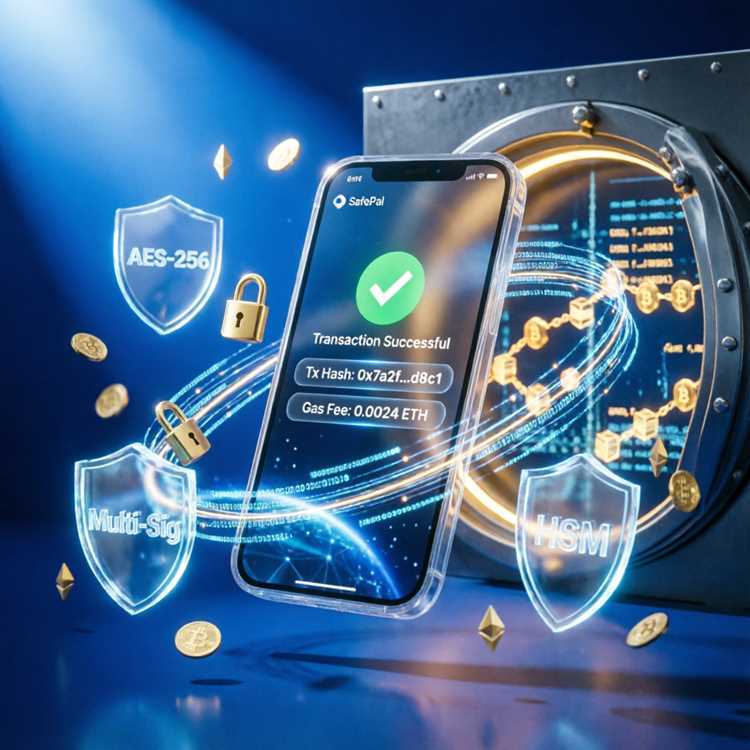
The DEX aggregator charges a small fee for routing your trade. This fee is usually between 0.05% and 0.3% of the transaction value. It covers the cost of splitting your order across multiple pools. You can see this fee in the swap preview before you confirm. Compare this with the trading fees on centralized exchanges which can be 0.1% or lower for high volume traders.
Hidden costs: price impact and spread
Price impact occurs when your order changes the market price. Large trades cause higher impact. The spread is the difference between the buy and sell price of a token. Both factors affect your final output. The app calculates these values and shows them in the preview screen. Always check these numbers before you proceed.
Best rates for instant trade: tips for getting better prices
Getting the best rates for instant trade requires a few smart habits. You can improve your outcomes by timing your trades and adjusting settings. Here are practical tips to maximize your token output.
Choosing the right time of day
Network activity affects gas fees and slippage. Trading during off peak hours can save you money. Check the current gas prices before you swap. Weekend mornings often have lower traffic. Avoid trading during major news events that cause volatility.
Using limit orders when available
The app supports limit orders that execute at a specific price. You set your target rate and the order fills when the market reaches that level. This strategy avoids paying high slippage during volatile moves. Limit orders require patience but often result in better execution prices.
Reviewing multiple route options
The aggregator suggests the best route automatically. You can also view alternative routes manually. Some routes use fewer hops and reduce gas costs. Others offer better rates but take slightly longer. Choose the route that balances speed and cost for your needs.
Supported tokens and blockchains for swapping
The app supports a wide range of tokens across several blockchains. You can trade popular coins like ETH, BNB, and MATIC. Many ERC20 and BEP20 tokens are available. The list updates regularly as new projects get integrated.
- Ethereum mainnet and all ERC20 tokens listed on major DEXs
- Binance Smart Chain with BEP20 tokens including PancakeSwap pairs
- Polygon network with MATIC and Polygon based tokens
- Avalanche C chain with AVAX and associated tokens
- Fantom, Arbitrum, and Optimism networks through recent integrations
Each blockchain requires its own native token for gas. Make sure you have enough ETH, BNB, MATIC, or AVAX before you start a swap. The app warns you if your gas balance is too low.
Security tips for swapping inside your wallet
Security should always come first when trading. Even with a secure wallet, users can make mistakes. Follow these guidelines to protect your funds.
Verifying token addresses
Scammers create fake tokens with similar names to real projects. Always check the contract address of the token you want to buy. Compare it with the official address from the project website. A copy of a token might look identical but has no value. The app flags suspicious tokens with a warning icon.
Checking allowance requests
Some swap protocols ask for token approval before they can move your coins. This allowance gives the smart contract permission to spend your tokens. Review the allowance request carefully. Only approve amounts you intend to swap immediately. Revoke unused allowances after your trade through the settings menu.
Using a hardware wallet connection
For large trades, connect a hardware wallet to the app. Hardware wallets store your private keys offline. This adds a layer of protection against malware. The app supports Bluetooth connections for compatible devices. Signing transactions still requires physical button presses on the hardware wallet.
Common issues when swapping and how to fix them
Problems can occur during a swap. Most have simple solutions. Understanding these issues helps you avoid frustration.
Transaction stuck or pending
Network congestion can delay your transaction. You can speed it up by increasing the gas fee. The app shows an option to replace the transaction with a higher fee. Alternatively, wait for the network to clear. Do not cancel a transaction unless you are sure it failed.
Insufficient output amount error
This error means the price moved too much during the swap attempt. The slippage tolerance set in your app is too low. Increase the slippage tolerance to 1% or 2% for tokens with high volatility. For stablecoin pairs, 0.5% is usually enough. Never set slippage above 5% to avoid front running attacks.
Token not showing after swap
New tokens sometimes do not appear automatically in your portfolio. Add the token manually by searching its contract address. The app scans your wallet balance and displays it. If the transaction shows as confirmed on the blockchain, your tokens are safe. The issue is just a display delay.
Comparing the app swap feature with other mobile wallets
Mobile wallets vary in their swap capabilities. Some only support basic exchanges on one chain. Others integrate full aggregators. This table compares key features across popular options.
| Feature | SafePal Swap | Trust Wallet Swap | MetaMask Swap |
|---|---|---|---|
| DEX aggregator integration | Yes, multiple sources | Limited to one DEX | Uses 0x API |
| Cross-chain swapping | Supported for major chains | Not available | Via bridges only |
| Low fees on BSC | Very low gas costs | Low gas costs | Higher due to Ethereum base |
| Instant trade execution | Under 1 minute on fast chains | 1 to 2 minutes | Variable based on gas |
| Hardware wallet support | Yes, via Bluetooth | No | Yes with browser extension |
| Built in fiat on ramp | Supported | Supported | Not in app |
SafePal offers a competitive balance of features. The user experience is streamlined for beginners. Power users appreciate the aggregator and cross-chain options. The hardware wallet integration adds security for larger portfolios.
Advanced features: limit orders and DApp browser swaps
Beyond basic swapping, the app offers advanced tools. These features give you more control over timing and strategies. They are useful for active traders who manage multiple positions.
Setting limit orders
You can place a limit order that triggers when the price hits your target. This works similar to a centralized exchange order book. The app monitors the market for you. It executes the trade automatically when conditions are met. You do not need to watch the screen constantly. Limit orders can help you buy dips without stress.
Trading through the DApp browser
The built in browser lets you access multi-chain DApps directly. You can use decentralized exchanges like Uniswap or QuickSwap. The browser connects your wallet to each DApp automatically. This gives you more options for tokens not listed in the main swap interface. You pay the same fees as using the built in swap.
Staking after a swap
Once you complete a swap, you might want to earn yield on your new tokens. Safepal staking features let you lock up certain assets for rewards. You can stake directly from the wallet without moving funds elsewhere. This integration saves time and keeps your portfolio organized.
Frequently asked questions about swapping in SafePal
These are the most common questions users ask. The answers provide quick clarification for new traders.
Can I swap any ERC20 token?
Most ERC20 tokens listed on major DEXs are available. Tokens with low liquidity or new listings might not appear. You can still trade them through the DApp browser on Uniswap.
What happens if my swap fails?
Failed swaps return your original tokens minus the network gas fee. The protocol fee is not charged because the trade did not execute. You can retry with higher slippage or a lower amount.
Do I need to keep ETH for gas on every chain?
Yes, each blockchain requires its own native coin for gas fees. Ethereum uses ETH. Binance Smart Chain uses BNB. Polygon uses MATIC. Keep a small balance of the native coin to cover future swaps.
How do I contact support for a stuck transaction?
For help with transaction issues, use the email support channel. Provide your transaction hash and wallet address. The team can check the status on the blockchain and advise you on next steps.
Is the swap feature available on the hardware wallet version?
The swap feature works inside the mobile app. You can connect your hardware wallet to the mobile app via Bluetooth. All swaps require signing through the hardware device for security.