What Drives the Cost of Using Safepal?
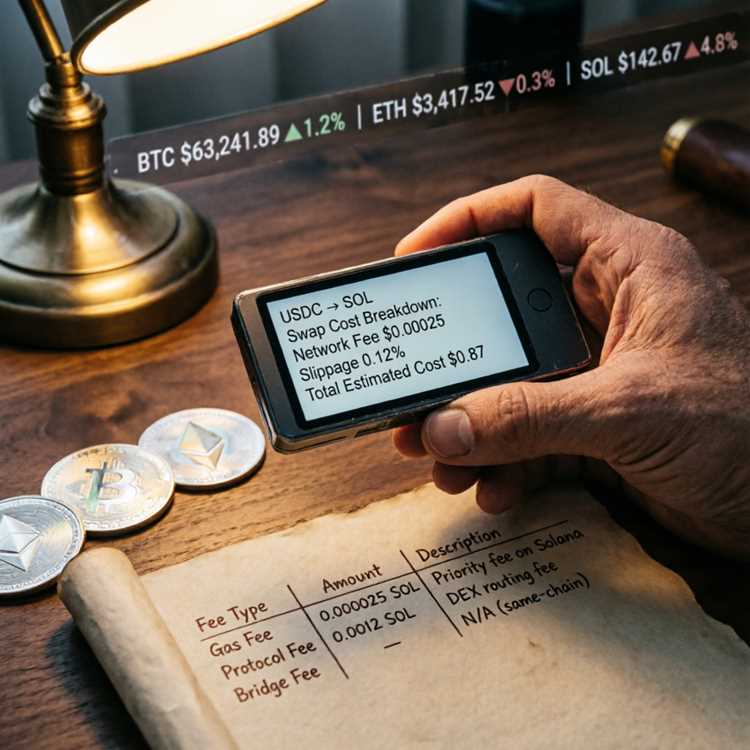
Understanding the Safepal App Fees: Transaction and Swap Costs Fee Comparison starts with knowing where money goes. Many users ask if the app charges hidden fees. The short answer is no. But costs come from blockchain networks and swap services. This guide breaks down every fee type. You will learn how to save money on each transaction.
Using a crypto wallet like safepal means paying network fees. These fees go to miners or validators. The app itself does not charge for sending coins. However, swap fees and conversion costs apply. Knowing these numbers helps you choose the best time to trade.
Understanding the Safepal Fee Structure
The Safepal fee structure includes three main parts. First are network fees, also called gas fees. Second are swap fees when you exchange tokens. Third are withdrawal fees for moving coins to another wallet. Each part has a different calculation method. Below we explain each one.
Network Fees vs Gas Fees
Network fees depend on the blockchain you use. Ethereum charges gas fees based on congestion. Binance Smart Chain has lower fees because it is less busy. The app passes these costs directly to you. No extra markup is added.
Swap Fees and Conversion Charges
Swapping tokens inside the app uses a third-party service. This service charges a small percentage. Usually it is 0.5% to 1% of the trade amount. Some pairs have lower rates. safepal app shows the fee before you confirm.
Withdrawal Fees for External Transfers
Sending crypto to another wallet triggers a network fee. The app does not add any extra cost. You see the exact fee amount before sending. For example, sending USDT on Ethereum costs around $2 to $5 depending on traffic.
Transaction Fees in Detail
Transaction fees are the largest cost for regular users. Every time you send or receive crypto, a fee applies. This section explains how to calculate them and reduce them.
How Transaction Fees Are Calculated
Each blockchain has its own formula. Ethereum uses gas units multiplied by gas price. Bitcoin uses transaction size in bytes. The app shows the estimated fee in your chosen currency. You can adjust the fee level for speed.
Ways to Lower Transaction Costs
Choose a less congested blockchain. For example, send USDT on BSC instead of Ethereum. Also, use the app during low traffic hours. Weekends often have lower fees. encryption keeps your data safe while you save money.
Real World Example of Transaction Fees
Imagine sending 100 USDT on Ethereum. The fee might be $3. Sending the same amount on BSC costs only $0.10. This difference shows why choosing the right network matters.
Swap Fees and Exchange Costs
Swapping one token for another inside the app is convenient. But swap fees can add up. This section compares rates and explains hidden costs.
Swap Fee Percentage
Most internal swaps charge 0.5% to 1%. This fee goes to the liquidity provider. The app shows the exact percentage before you swap. Some swaps with stablecoins have lower fees.
Price Impact and Slippage
Large swaps can move the market price. This is called price impact. The app warns you about it. You can set a slippage tolerance. borrowing services also show similar fees.
Comparing Swap Fees Across Platforms
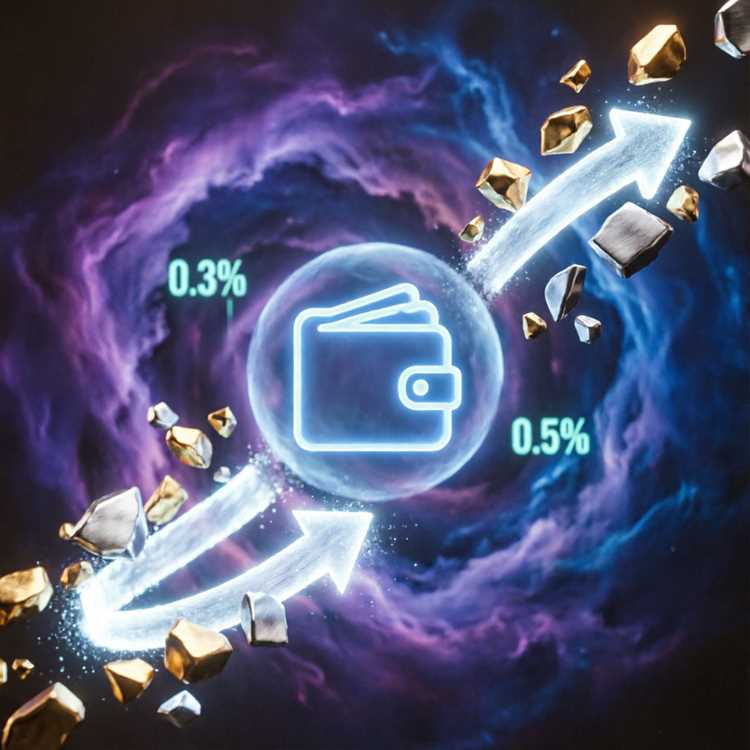
External decentralized exchanges may charge 0.3% to 0.5%. The app’s built-in swap is slightly higher. But you save time and avoid extra steps. For small swaps, the difference is minor.
Network Fees and Gas Fees Explained
Network fees are unavoidable. They fuel the blockchain. This section explains how gas fees work and how to minimize them.
What Are Gas Fees?
Gas fees are payments to miners or validators. They process your transaction. Each blockchain has a native token for gas. Ethereum uses ETH, BSC uses BNB. The app automatically deducts gas from your balance.
Gas Fee Variability
Gas fees change every minute. High demand means higher fees. You can use the app’s fee estimator to choose a slower but cheaper option. improvement updates often include better fee estimation.
Tips for Reducing Gas Fees
Set a custom gas price. The app lets you choose between slow, average, and fast. For non urgent transactions, select slow. This can save 50% or more.
Low Cost Strategies for Using Safepal
Users want low cost options. This section lists practical ways to keep fees minimal. Follow these steps to save money.
- Use blockchains with low fees: BSC, Polygon, or Solana.
- Swap tokens when network traffic is low (early morning UTC).
- Combine multiple small transfers into one larger transaction.
- Use the app’s fee estimator to choose the cheapest option.
- Avoid swapping during high volatility periods.
Applying these strategies reduces your overall spending. Safepal device also supports these low fee networks.
Fee Comparison with Other Wallets
Comparing Safepal fees with competitors helps you decide. Below is a table showing typical costs for common actions.
| Action | Safepal | MetaMask | Trust Wallet |
|---|---|---|---|
| Send ETH | Network fee only | Network fee only | Network fee only |
| Swap tokens | 0.5% to 1% | 0.3% to 0.5% | 0.5% to 1% |
| Withdraw to bank | Not available | Not available | Not available |
| Buy crypto with card | 3% to 5% | 3% to 5% | 3% to 5% |
All wallets have similar network fees. Swap fees are slightly higher in Safepal. However, the app offers better security and Safepal NFT support.
Hidden Charges and No Extra Cost Guarantee
Hidden charges scare users. Safepal promises no extra cost beyond what is shown. This section checks if that is true.
What the App Shows You
Every fee appears before you confirm. The app breaks down network fee, swap fee, and total. You can always cancel if the fee is too high.
Are There Any Hidden Charges?
No hidden charges exist. The app does not add service fees. The only costs are those from the blockchain and swap provider. safepal extension follows the same rule.
Common Misconceptions
Some users think the app takes a cut from gas fees. That is false. Gas fees go entirely to the network. The app only earns from swap fees and card purchases.
Frequently Asked Questions About Safepal Fees
This section answers common questions. The answers are based on real usage data.
Does Safepal charge a monthly fee?
No. The app is free to download and use. You only pay network fees and swap fees when you transact.
Can I avoid swap fees entirely?
You can avoid swaps by transferring tokens directly to an exchange. But that adds extra steps and network fees. Swapping inside the app is often cheaper overall.
Why did my transaction fee change after I sent it?
Network fees can change due to congestion. The app shows an estimate. The actual fee may be slightly higher or lower. This is normal for all crypto wallets.
How do I see the fee before confirming?
Every transaction shows a fee breakdown. Review it carefully. If the fee seems high, wait or choose a different network.
Are there any fees for receiving crypto?
Receiving is free. Only sending and swapping incur costs. Some blockchains require a small deposit to activate the address, but that is a one time fee.